
Hosting a Teacher-Intern: What's in It for Your Company?
Free webinar
Have you ever hosted interns in your company? Chances are you have. But have you ever considered hosting a teacher-intern?
The European Commission’s Directorate-General for Translation (DGT), together with the European Master’s in Translation (EMT) network, is promoting a new Train-the-Trainer initiative designed to bring academia and the language industry closer together. Translation professors can spend a short period within a company or institution, observing real-life workflows, tools, quality assurance processes and professional practices — and taking this knowledge back to the classroom.
But what does the industry gain from this cooperation?
This joint GALA–DGT webinar will look at industry–academia cooperation from a practical business perspective. We will discuss why closer engagement with universities can benefit language service providers, how such cooperation can help academia better understand rapidly changing industry needs, and how companies can organize it effectively without creating an unnecessary burden on their teams.
We will also introduce the Train-the-Trainer initiative, explain how the placements work, what is expected from participating companies and academic trainers, and how interested organizations can get involved. The model is deliberately flexible: placements are agreed between the host and participant, while teachers primarily shadow professionals and may perform only small, non-critical tasks under supervision.
If you have been looking for a practical way to build stronger links with academia — or have been wondering why your company should engage with academia at all — this webinar is for you.
Key takeaways
1. Turn industry–academia cooperation into practical value for your company.
Participants will leave with a practical framework for establishing effective, resource-conscious and mutually beneficial cooperation with academia — including what companies can realistically expect from such partnerships, how to structure them, and how closer interaction with educators can help bridge the gap between translator training and real industry needs.
2. Learn how to participate in the Train-the-Trainer initiative.
Industry participants will learn how the DGT/EMT Train-the-Trainer model works, what hosting a teacher-intern actually involves, and what responsibilities a host organization takes on. They will also learn about EMT academic representatives interested in industry placements and how companies can become potential hosts and start building direct cooperation with them. The DGT guidelines envisage host companies providing a placement plan, access to relevant tools and staff, contextual guidance and feedback, while the participating teacher observes professional practice and subsequently transfers the acquired knowledge into teaching and curriculum development.
Registration Options
|
Registration Options
|
Price |
|---|---|
|
FREE TICKET
|
FREE |
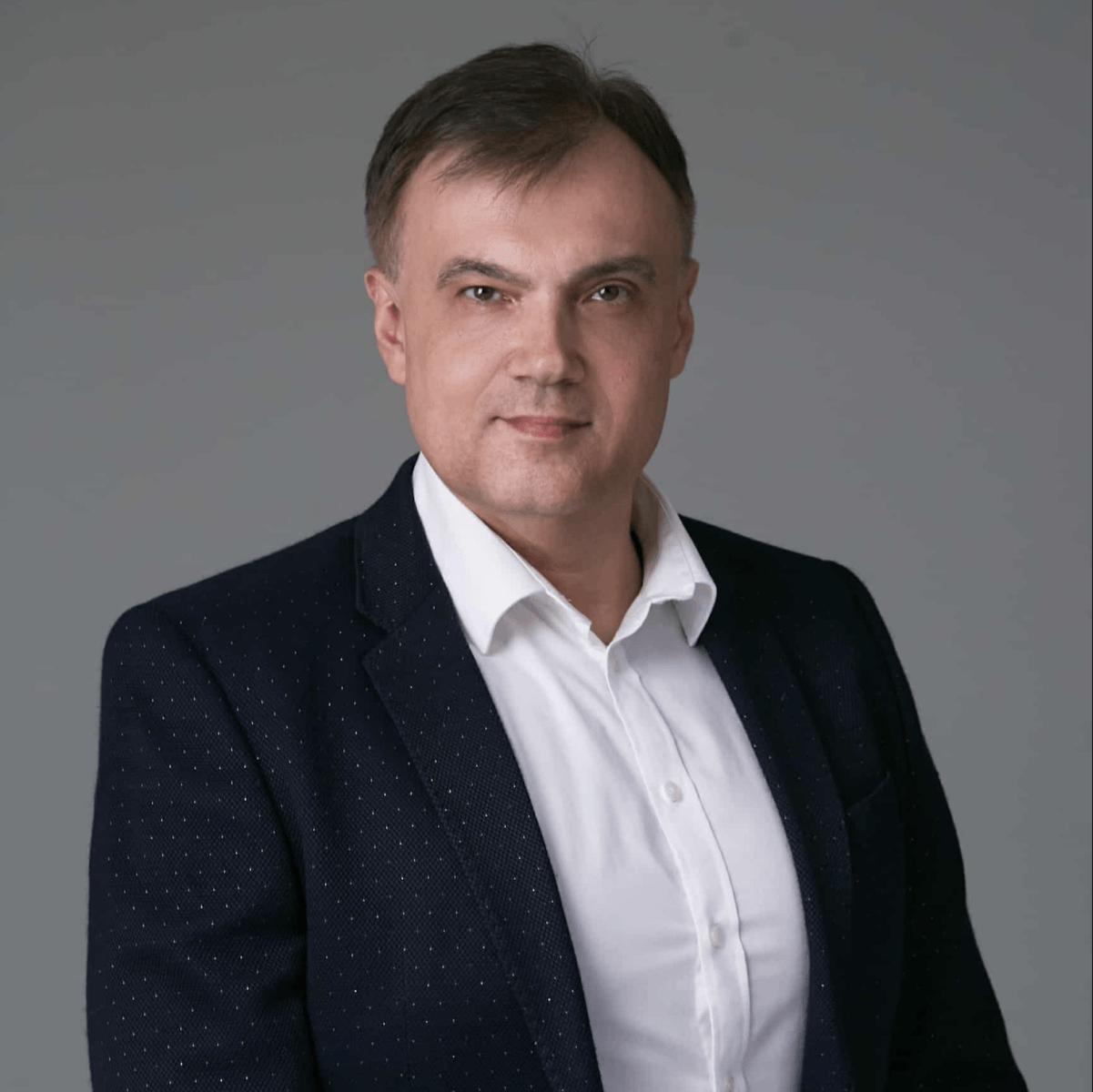
Dr. Oleksandr Bondarenko is the CEO of Translatel Ltd and an associate professor at Borys Grinchenko Kyiv Metropolitan University. With 26 years of experience spanning the language industry and academia, he has developed deep expertise in translator education and quality assurance. His research and teaching focus on the intersection of translation quality, technology, and training, with a particular emphasis on integrating industry-standard practices into academic programs. As a member of the European Commission’s Language Industry Expert Group (LIND) and a collaborator with the Globalization and Localization Association, Oleksandr has spearheaded numerous initiatives to strengthen cooperation between academia and industry. Through his work, he promotes a systematic, forward-looking approach to quality in translation and localization, equipping future professionals with the skills needed to meet the language services sector’s evolving demands.
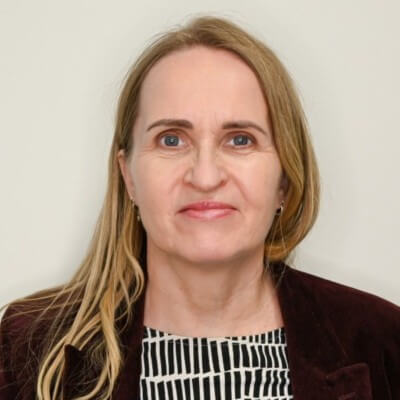
Inkaliisa Vihonen-Peuranen works as a policy coordinator at the European Commission Directorate-General for Translation, where she has worked in various projects and initiatives in the fields of language policies and translation. She is currently the project manager for the Knowledge Centre for Translation and Interpretation and also coordinates an expert group of language industry stakeholders, the LIND expert group. Previously, she worked as a researcher and a journalist in the field of linguistics and languages. She has a degree in language consulting and translation and has also worked as a translator and terminologist. She has a keen interest in translation, language data and digital skills, and lately on matching skills and needs of the language sector.
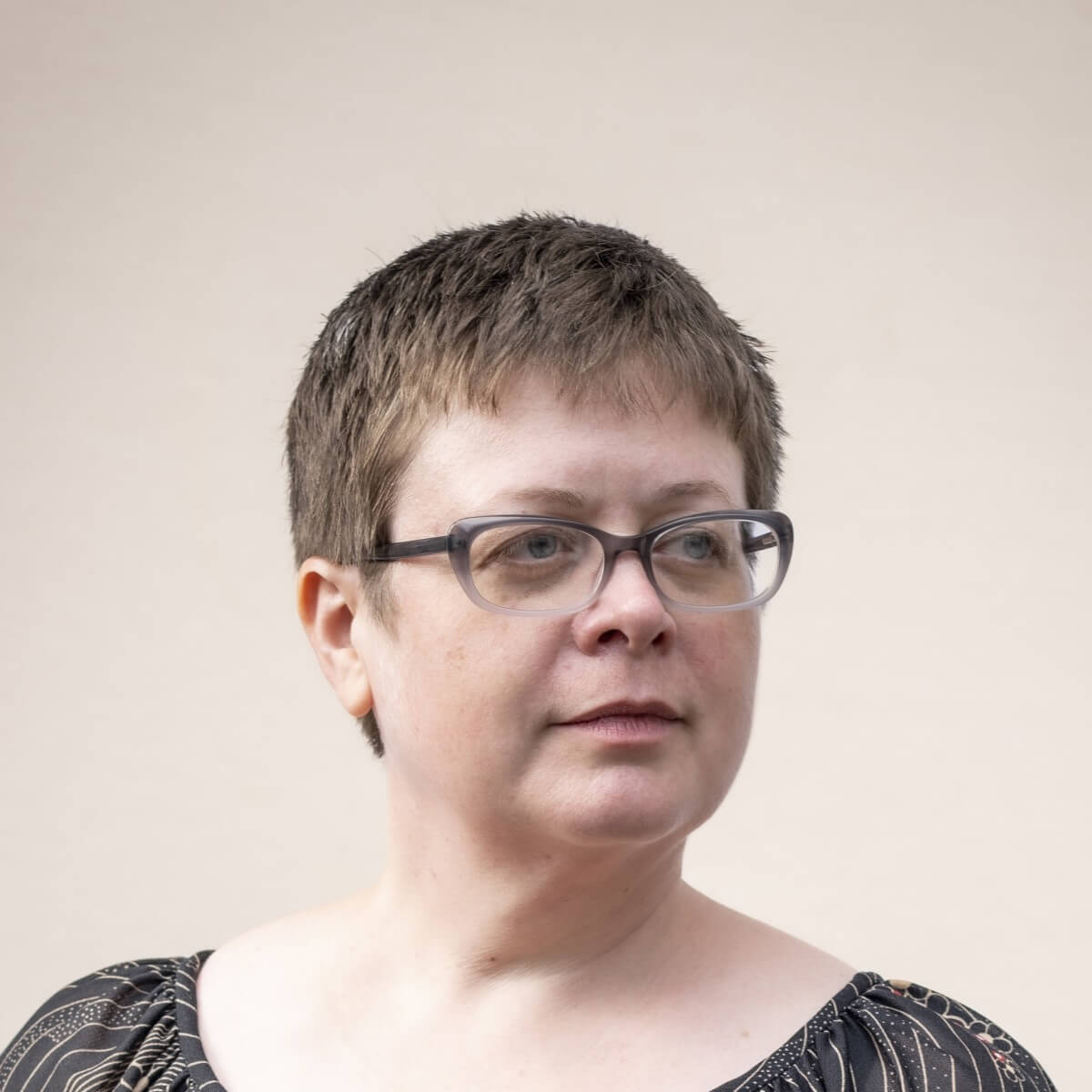
Annelise Finegan, PhD, is Academic Director of Translation & Interpreting and Clinical Associate Professor of Translation at the NYU School of Professional Studies. She is passionate about building talent pipelines from university programs to the language professions. An award-winning translator from Chinese, Annelise has also worked for academic and textbook publishers as an acquisitions editor, publishing coordinator, bilingual copy editor, and project manager.

Head of Global Localization Solutions and Innovation at Intertranslations and a postdoctoral researcher at Ionian University, Viveta Gene works at the intersection of localization, knowledge graphs, AI-assisted workflows, and multilingual compliance. She serves on the GALA Board of Directors and has more than 20 years of experience in translation and localization.
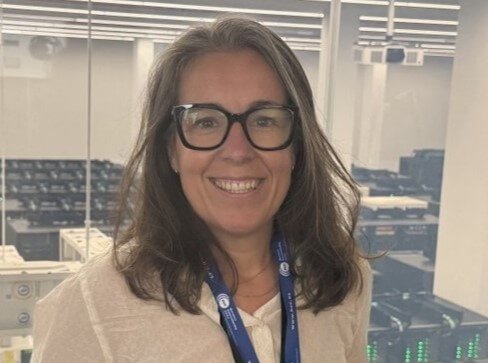
Pilar Sánchez Gijón is a Full Professor in the Department of Translation and Interpreting and East Asian Studies at the Universitat Autònoma de Barcelona (Spain). She has directed the Master's in Tradumàtica: Translation Technologies at various stages since 2001 and is its current director. She also serves on the board of the European Master's in Translation network. Her research focuses on machine translation, post-editing, localisation and translation technologies. More recently it has turned to the linguistic features of machine-translated and AI-generated texts and to digital literacy for language professionals. She leads funded projects on texts produced by generative AI (GENERATESE-2LT) and on digital language and translation literacy (LT-LiDER). She also co-led the Erasmus+ project MultiTraiNMT, which produced open training materials on neural machine translation. She has authored more than 120 research and educational innovation outputs and is editor-in-chief of Revista Tradumàtica.
This webinar is FREE for members and nonmembers.
For More Information:
