
GALA Academy Q1 2027 – AI Dubbing: From Contract to Delivery
When you watch a dubbed video today, can you tell whether the voice belongs to an actor or was generated by AI?
More and more often, the honest answer is no. AI dubbing has moved out of demos and into real production, and that raises questions for everyone in the audiovisual localization supply chain. Performers want to know how their voices will be used. Vendors are under pressure from clients who expect more languages, faster and at lower cost. Contracts, workflows and job descriptions are still catching up.
This quarter, GALA Academy follows AI dubbing from the contract to the final product in three sessions.
Dates
- 20 January 2027 - 07:00am - 08:30am PST (4pm-5:30pm CET)
- 27 January 2027 - 07:00am - 08:30am PST (4pm-5:30pm CET)
- 3 February 2027 - 07:00am - 08:30am PST (4pm-5:30pm CET)
Meet the moderator and the speakers
Target audience
- Language service providers and media localization vendors that offer or are considering AI dubbing and need to understand the legal exposure, client demand and production realities.
- Buyers of audiovisual localization, such as content owners, broadcasters, streaming platforms, brands, and e-learning and game publishers, who are weighing AI dubbing against traditional dubbing and need to know their obligations under the EU AI Act.
- Language technology providers building speech and dubbing tools, who share responsibility for transparency and marking along the supply chain.
- Audiovisual localization professionals (linguists, adaptors, dubbing directors and project managers) who want to understand how their role is changing and where their expertise still makes the difference.
- Legal, procurement and vendor management teams that draft or negotiate contracts covering voice rights, consent and AI disclosure.
Takeaways
- Who has rights over a voice. You’ll learn how copyright, performers’ rights, personality rights and data protection law apply to synthetic and cloned voices. You’ll also hear what consent and contract terms you need before recording, training on, cloning or reusing a performer’s voice.
- Where AI dubbing fits in the market. You’ll see how client expectations around speed and cost are changing audiovisual work, where AI dubbing is delivering value today, and how it may change workflows, business models and the skills professionals need.
- What AI dubbing tools can and can’t do. Real projects and live demos show where AI output needs human expertise to become culturally authentic dubbing. The examples cover voice-over, lip-sync, unscripted content and audio description.
What is GALA Academy?
GALA Academy is a localization academy offering quarterly courses that take an in-depth look at top issues facing the language services and technologies industry. Each event comprises three to four peer-to-peer learning sessions featuring expert-led conversations and open Q&A.
Attendees can expect to leave with actionable takeaways to assist them in their everyday work and meet their professional development goals. Academy courses are included for free with a GALA membership. Become a member now to save.
Session 1: Synthetic Speech and AI Transparency in Audiovisual Localization
20 January 2027 - Time: 07:00am - 8:30am PDT (4pm - 5:30pm CET)
Artificial intelligence is changing how audiovisual content is localized, from film and TV dubbing to e-learning, corporate video, advertising, audio description and video games.
The first part of the session will focus on synthetic and cloned voices.
- Who has rights over a voice?
- What consent is needed from voice actors and other performer?
- What should contracts say about recording, training, cloning and reusing their voices?
We will look at how copyright, performers' rights, personality rights and data protection law apply.
The second part will cover transparency.
Since 2 August 2026, the EU Artificial Intelligence Act (EU AI Act) has required that people be told when they are interacting with an AI system. It also requires that AI-generated content carry a machine-readable mark and, in certain cases, such as deepfakes, a visible label.
We will explain what these rules mean in practice along the localization supply chain: who is responsible for what, and how these duties should be allocated in contracts between clients, vendors and technology providers.
Speaker: Simona Lavagnini (LVG Avvocati)
Moderator: Cristina Contini (Voiseed)
Session 2: What's Next for Audiovisual Localization? AI Dubbing and Changing Client Expectations
27 January 2027 - Time: 07:00am - 8:30am PDT (4pm - 5:30pm CET)
The audiovisual localization industry is changing rapidly. Growing demand for multilingual content across an expanding range of channels and platforms is reshaping client expectations, particularly around production timelines and cost. Meanwhile, advances in AI are creating new opportunities for how content is localized and delivered to global audiences.
AI dubbing has rapidly emerged as one of the industry's most talked-about developments. Yet important questions remain around quality, ethics, its impact on creative talent, client adoption and the future role of localization professionals.
This session will explore the current state of the audiovisual localization market and the practical opportunities and challenges presented by AI dubbing.
We'll examine how client expectations are evolving, where AI technologies are delivering value and why human expertise remains essential to maintaining creative and cultural authenticity.
We'll also consider how these developments could reshape localization workflows, business models and the skills required of audiovisual professionals.
Speaker: Jordan Crockell (RWS)
Moderator: Cristina Contini (Voiseed)
Session 3: Behind the Scenes of AI Dubbing: Tools, Challenges and Solutions
3 February 2027 - Time: 07:00am - 8:30am PDT (4pm - 5:30pm CET)
What really happens behind the scenes of an AI dubbing project? From voice-over to lip-sync, scripted to unscripted content, and even audio description, each project brings its own challenges.
Through examples and practical demonstrations, we'll analyze the tools and platforms available today, their capabilities and limitations, and how to navigate linguistic, creative, and technical challenges.
We'll take a closer look into language-specific challenges, market demands, and the solutions that make a difference in production.
Most importantly, we'll discuss where human expertise remains essential to turning AI-generated content into high-quality, culturally authentic dubbing that truly connects with audiences.
Speaker: Yasmine Bendimered (Adapt)
Moderator: Cristina Contini (Voiseed)
Registration Options
|
Registration Options
|
Price |
|---|---|
|
MEMBER TICKET
|
FREE |
|
NONMEMBER TICKET
|
$250.00 |
Moderator

Cristina Contini is a localization expert with nearly 20 years of experience in the industry and a Master’s in Translation. She began her career as a Project Manager in 2006, later expanding her expertise as a freelance translator in the audiovisual and publishing sectors. In early 2022, Cristina joined Voiseed as Voice Manager, where she was in charge of client relations, product demos, and workflow optimization, earning her promotion to Chief Operating Officer in 2024. As COO, she aligns market demands with product innovation, oversees client onboarding, and collaborates with technology teams to tailor solutions to client needs. Cristina's strategic mindset and hands-on leadership drive operational excellence and support Voiseed’s growth in the evolving localization and technology landscape.
Speakers
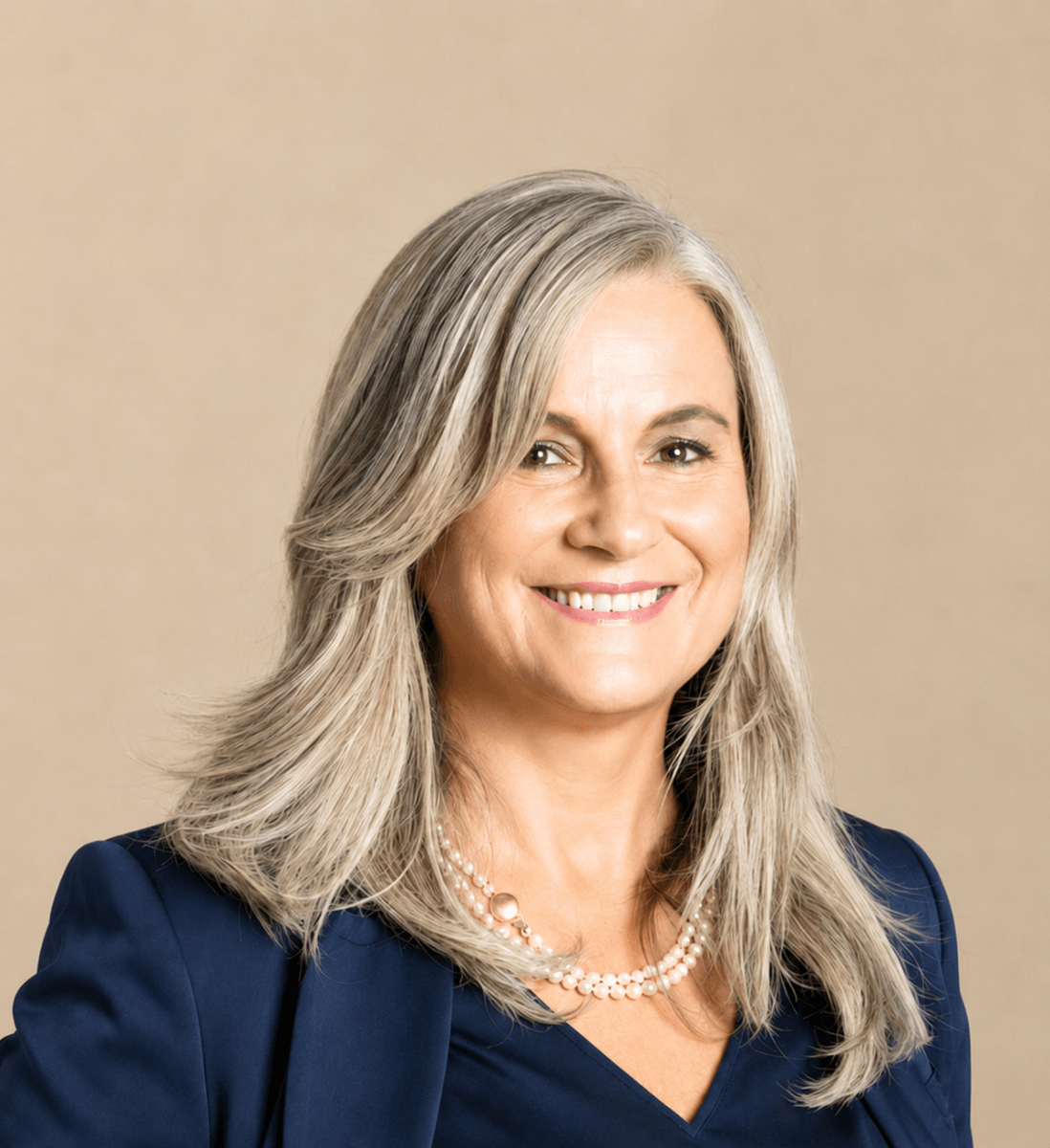
Simona Lavagnini is a founding partner of LGV Avvocati, a Milan-based law firm specialising in intellectual property. Admitted to practise before the Italian Supreme Court, she advises and litigates on behalf of national and international clients. Her work focuses in particular on copyright, new technologies, trademarks, patents, design and unfair competition. She regularly advises companies in the video game and digital entertainment sector, including on contractual and regulatory issues related to artificial intelligence.
She holds a PhD in industrial law and taught copyright and advertising law at the University of Pavia from 2011 to 2021; she currently lectures in postgraduate master's programmes. Since 2023 she has served as President of the Italian Group of AIPPI (International Association for the Protection of Intellectual Property). In 2023 she was also appointed to the Antitrust and Intellectual Property Committee of the Milan Bar. She is a regular conference speaker and contributes to law reviews and books.
She was named Italy Practitioner of the Year (Law Firms) at the Managing IP awards in 2024 and 2025, and Intellectual Property Lawyer of the Year at The Legal 500 Italy Awards 2026. For many years she has been consistently ranked in Chambers Europe and Chambers Global (Italy, Intellectual Property: Copyright, Band 1) and in The Legal 500 as a leading partner in intellectual property in Italy.
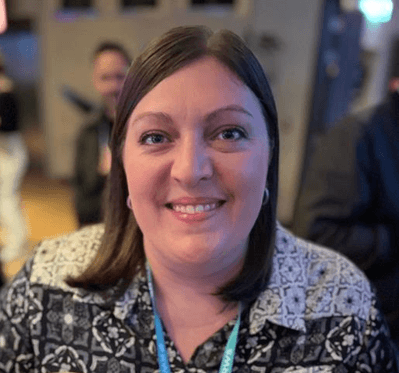
Jordan Cockerell is Director of Media Solution at RWS and leads strategy and customer solutions across audiovisual localization, creative production, and AI-enabled workflows. She works with global content owners, broadcasters, streaming platforms and brands to expand the reach of multilingual content.
With extensive experience in media localization and content operations, Jordan specializes in AI dubbing, localization innovation, and content transformation. She regularly advises organizations on industry trends and the practical application of AI, helping shape the future of audiovisual localization and global content delivery.

Yasmine Bendimered is the European Regional Head of Localization and Linguistics at Adapt, overseeing multilingual localization operations, linguistic quality, and the development of AI-assisted dubbing and subtitling workflows across European languages.
With over seven years of experience in audiovisual localization, she combines linguistic expertise, creative direction, and strategic leadership to develop scalable, technology-driven localization solutions. Her role spans multilingual team development, workflow innovation, and collaboration with clients to deliver high-quality content tailored to diverse audiences and markets.
Working at the intersection of language, creativity, and technology, she plays an active role in integrating emerging AI tools into localization workflows, ensuring that innovation enhances rather than replaces human expertise.
She is particularly interested in the evolving role of linguists in AI-driven media production, and how human creativity, cultural understanding, and linguistic expertise can shape the future of multilingual storytelling while preserving authenticity, performance intent, and audience trust.
