
Kirti Vashee
GALA Board Candidate, 2027-2029 Term
Professional Information
Brief Bio
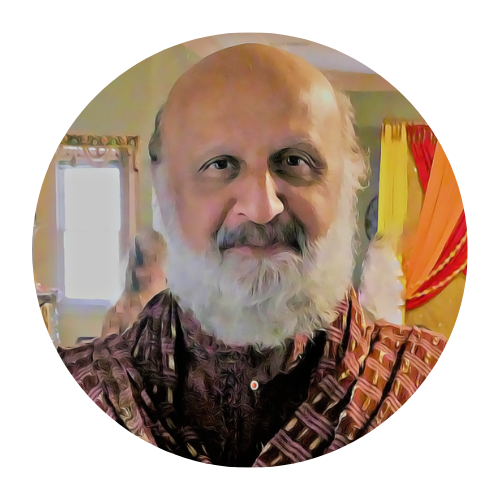
Kirti Vashee is a Language Technology Evangelist at Translated Srl, and was previously an Independent Consultant focusing on MT and Translation Technology. He was formerly associated with several MT developers, including Language Weaver, RWS/SDL, Systran, and Asia Online. He is the moderator of the Automated Language Translation (MT) group with over 16,000 members on LinkedIn and is also a former board member of AMTA (American Machine Translation Association). He is also an Adjunct Professor at the University of Texas at Arlington, teaching a course on Language AI & MT.
Have you served on a board, committee, or working group before? What surprised you about it?
I have previously served as a member of the AMTA Board of Directors. During my tenure, I was particularly impressed by the high level of active involvement among board members and the significant impact of their contributions. While the role required a greater commitment of time than initially anticipated, seeing these strategic initiatives successfully realized was exceptionally rewarding. Additionally, I served on the board for Language Technology & Intelligence (LTI), where I successfully enhanced the visibility of their flagship annual conference and elevated their marketing communications.
Which skills do you possess that would make you valuable as a board member?
Marketing (new market targeting) and Language AI technology expertise.
Describe your experience with setting strategy.
I have been responsible for setting the global product marketing strategy and building effective narratives for MT and Language AI products at industry-leading organizations, including SDL, Systran, and Translated. Across these roles, I have significantly raised the market profile and technological positioning of each brand's product marketing efforts. As an established authority and trusted voice on language technology, I bridge the gap between complex AI innovation and enterprise business value, regularly articulating strategic insights on the shift from traditional localization to language intelligence, AI-native orchestration, and end-to-end customer journey localization.
Candidate Perspective
If you had to give GALA a new tagline to convey the association's future-readiness, what would it be?
Making Business WorldReady
or
Where Global Growth Meets Language AI
What should GALA look like in 3 years if change keeps happening at the current pace? Who should we serve? What should we offer? What value should we deliver?
GALA Vision Statement: Over the next three years, GALA should evolve from a traditional trade association into an agile, cross-industry network and a leading global center for AI-driven language and localization intelligence. As the industry moves away from monolithic translation management systems and static translation memory workflows toward context-rich, AI-enabled platforms, GALA will help guide that transition by giving global organizations actionable standards, research, and operational benchmarks.
GALA will position localization as a strategic driver of enterprise success, measured by customer experience and global growth rather than cost per word. It will provide practical frameworks for LLM integration, data quality, automated post-editing, and language technology standards, and it will help organizations move AI from pilot projects into production by sharing best practices between enterprise buyers and technology vendors.
To reach a broader community, GALA will offer flexible, tiered membership, form cross-disciplinary working groups, and host virtual-first summits alongside its annual international conferences. Beyond its core base of enterprise localization leaders and language service providers, GALA will engage decision-makers in IT, product management, data strategy, global marketing, and customer experience. It will also deepen partnerships with AI developers, academic researchers, and translation and interpreting institutions across the Global South, building an inclusive, future-ready network that reflects the full diversity of the world it serves.
Which GALA programs have you personally participated in over the past few years? Describe any volunteer roles you've had at GALA.
I have contributed to the past three annual conferences as a speaker, panelist, and independent commentator via my professional blog. Additionally, I have authored and submitted written material regarding machine translation technology to GALA in recent years.
What is GALA doing today that you would stop doing?
GALA should stop defining itself primarily through localization. That framing keeps us talking to the same audience while the real decisions about language are increasingly made elsewhere. As AI becomes part of core IT infrastructure, language capability is being shaped by IT, Product, and Marketing leaders who rarely see localization as their concern. We need to stop waiting for them to find us and start meeting them on their terms. The WorldReady theme was one of the most compelling narratives GALA has offered in recent memory, and it gives us a stronger foundation to build on: global readiness as a business outcome, not a downstream service.