
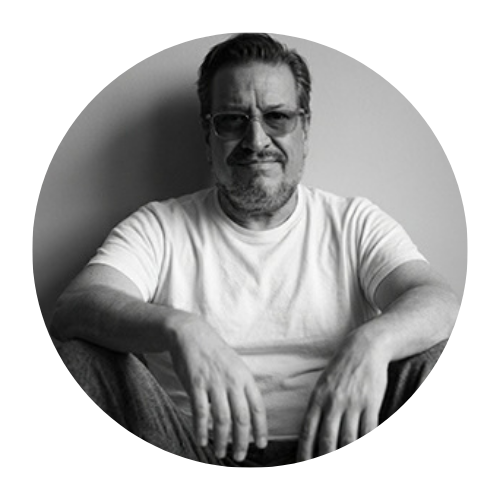
Dieter Runge
GALA Board Candidate, 2027-2029 Term
Professional Information
Brief Bio
Dieter Runge is Co-Founder and VP of Global Strategy & Business Development at Boostlingo, the AI-forward language intelligence platform he helped found in San Francisco, now based in Austin. Boostlingo serves thousands of organizations globally. A twenty-five-year industry operator with roots in film, digital media and e-learning, he splits his time between Austin and home near Sydney. Dieter attends and speaks regularly at conferences across North America, Europe, APAC and LATAM. Dieter co-authored The Remote Interpreter and hosts and joins podcasts and webinars. A GALA member and volunteer since 2016, he holds an M.Ed. in Educational Psychology from McGill University.
Have you served on a board, committee, or working group before? What surprised you about it?
I’ve served on GALA conference program committees, including WorldReady Berlin this past year. I’ve also been an active SIG participant. At Boostlingo I’ve spent a decade on an executive leadership team, alongside advisory boards and employee resource groups.
What surprised me (initially) was progress rarely comes from the loudest or strongest voices. It comes from whoever shows up with the draft to work on. Boards don’t prosper with a barrage of loud opinions, they need someone to put version one on the table, something real to launch or bench. I try to be that person, and to back whoever else is.
Which skills do you possess that would make you valuable as a board member?
Finance is an important skill with a decade of P&L overview, budgets and reporting at a fast-growing startup. I can still read a balance sheet, and I’m not shy about asking what sits underneath it. Marketing and brand is my first love. I’ve helped build Boostlingo’s global go-to-market, content engine and communication programs. Partnerships are a big part of my day job, building alliances across enterprises, LSPs and technology vendors. Lately I’ve been engaged in promoting AI literacy (without the hype) This involves deployment of AI into human interpreting workflows, with guardrails and the change management that makes it stick.
Describe your experience with setting strategy.
Before Boostlingo, I spent heaps of years building international market-entry strategies for LSPs large and small. Then I co-founded Boostlingo and helped steer it from a scrappy San Francisco interpreting startup to the now Austin-headquartered, AI-forward language intelligence platform. Most recently that has meant a repositioning by moving interpreters, customers and our own teams from “AI as threat” to “AI as expanded access”, with humans firmly in the loop. These days my work is multi-year horizon research and early bets on where language access fits in our lives next, whether that’s in software, communications or infrastructure.
Candidate Perspective
If you had to give GALA a new tagline to convey the association's future-readiness, what would it be?
GALA keeps you fluent in what’s next.
or
GALA is WorldReady. We’ll get you there too.
What should GALA look like in 3 years if change keeps happening at the current pace? Who should we serve? What should we offer? What value should we deliver?
If the current pace holds, hold on to your hats. In three years the language companies, roles and workflows we know today will have been reinvented at least once more.
GALA should still be the neutral ground where that rewired industry meets as one community that includes buyers, LSPs of every size, interpreters, linguists, technologists, researchers and the AI-native newcomers who don’t yet know they need us. They will, some of them will help us build and sell the next big thing. Staying deliberately wide, across the entire value chain in the language industry is GALA’s edge. I’d help advance and protect it.
What should we offer? Honest, vendor-neutral guidance on the technology and the business decisions it forces. We can develop programs that are useful and that members can put straight to work. We can also provide real support for people whose careers are in transition. And once a year, fill those rooms where the whole industry level-sets and tells the truth.
The value to members is that GALA will provide shorter paths to good decisions, fewer expensive missteps and more careers that survive the continual rewires. If people leave a GALA program re-energized and better equipped, we’ve done our job.
Which GALA programs have you personally participated in over the past few years? Describe any volunteer roles you've had at GALA.
In the past two years I’ve presented and exhibited at each annual GALA annual conferences in both Montreal and Berlin, I’ve served on the conference program committee and stayed active in the SIGs. In December I’m co-delivering a GALA webinar on launching, pricing and scaling hybrid interpreting. I’ve also hosted conference trivia game shows and, this past year, I hosted the GALA Soapbox, which I maintain was terrific governance training in disguise. Since joining in 2016, I’ve missed exactly two conferences (one thanks to COVID travel bans), and I’m still chasing my complete set of GALA Scouts badges.
What is GALA doing today that you would stop doing?
I’d stop measuring our success by volume. GALA produces plenty of terrific webinars, sessions and content, and a lot of it lands. But a lot of it is also one-way broadcasts members watch, nod along to and never get around to using. We can put a simple value bar on every program (participation, reuse, outcomes), publish the scoreboard and sunset the bottom tier without getting overly sentimental. Then move the staff and volunteer hours we win back into what members put to work, like playbooks, clinics and working groups that ship something. Fewer things, all of them very useful.